

You'll find over 800 beneficial plants and remedies inside this incredible book.
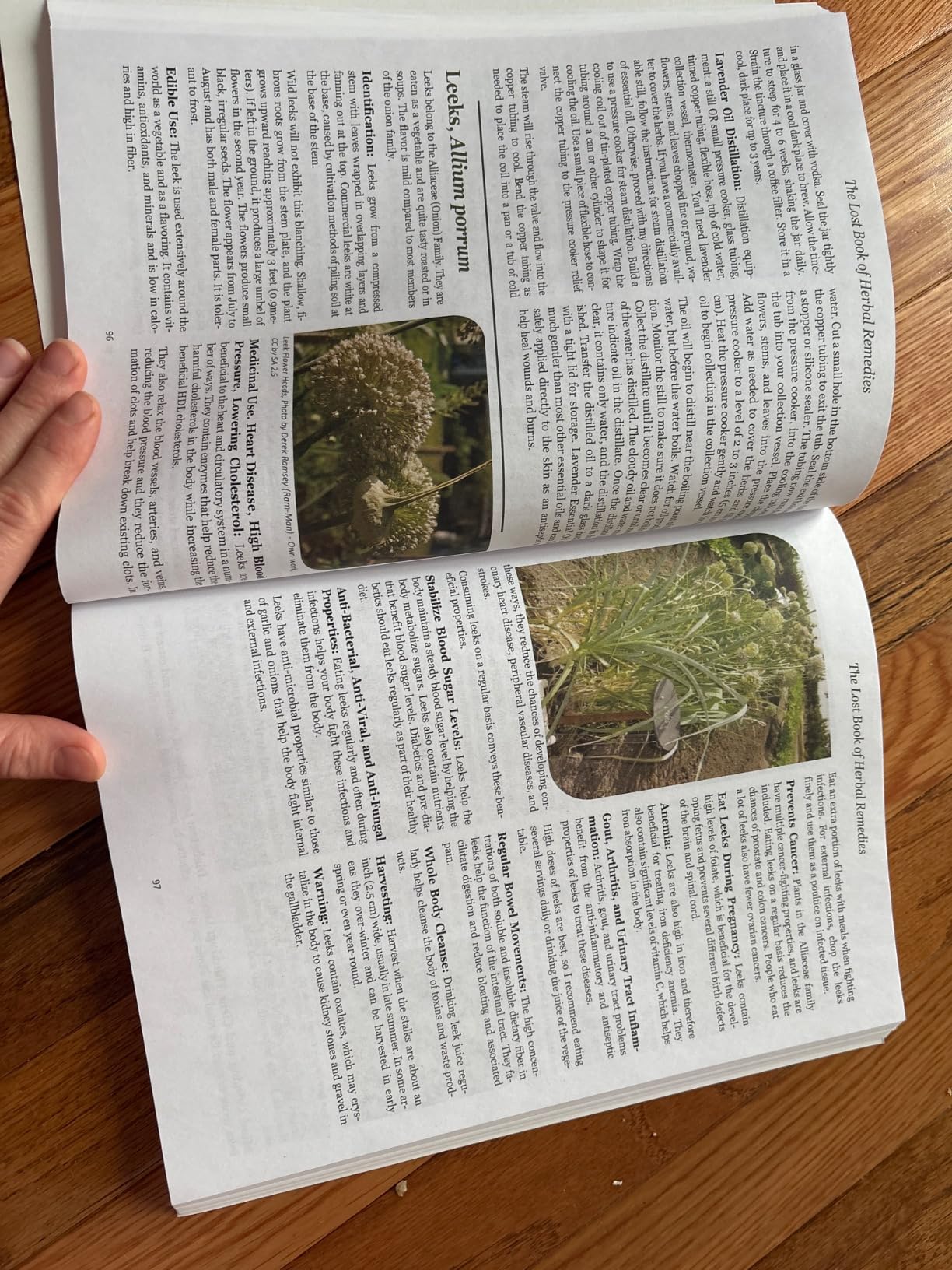
It includes recipes for tinctures, teas, decoctions, essential oils, infusions, and many other natural remedies that our grandparents used for centuries. What makes this book special is that it contains 2 to 4 high-definition color images of each plant, along with detailed identification guides to make sure you've chosen the right one.
Last books available | Get yours before they sell out!
You'll soon learn:
• How to make a natural homemade ibuprofen from a common garden plant
• The invasive plant that was used in the past for blood pressure
• The ultimate survival tree that grows on almost every street in Mexico
• The most powerful natural antidepressant you can prepare at home
• The spice that can stop bleeding in seconds
• The common household item that eliminates parasites in the digestive tract

In The Lost Book of Herbal Remedies, you'll discover a treasure trove of healing knowledge from Mexico that has stood the test of time.
Over the past 200 years, and even long before that, countless remedies have been passed down from generation to generation, preserving the wisdom and practices that the people of Mexico relied on long before modern medicine.
However, in recent decades, many of these life-saving remedies have been lost to history.

People no longer pass them down, as we've become increasingly dependent on synthetic pills.
Many freely growing plants that were once considered food and medicine… are now called "useless weeds."
What I did over the past few years was compile all the Mexican remedies backed by modern science and separate them from unfounded folk remedies.
I've selected only those remedies that can truly help you or a loved one.

Whether you need them to relieve pain, anxiety, reduce fever, disinfect wounds, sleep better, or eliminate parasites… whatever it may be, the remedy you're looking for could be in this book!
I've put over 30 years of plant knowledge at your fingertips, carefully compiling and preserving these valuable step-by-step recipes for you and your family. I've also included complete instructions for identifying the most useful medicinal plants that 99% of people simply ignore.
About María Rodríguez

Maria Rodriguez is an herbalist, mother, culinary healer, and nutritionist.
She graduated with a degree in Nutrition from the Autonomous University of Mexico and holds a Master's in Food Science from the University of Guadalajara.
She earned her Doctorate from the Iberoamerican University while working as an anthropologist and ethnobotanist in rural communities throughout Latin America.

She spent years living and cooking alongside traditional healers in the mountains of Oaxaca, one of the last regions where ancestral culinary medicine is still practiced daily. Building deep relationships within these communities allowed Maria to learn many of the remedies and recipes she practices and teaches today.

An unexpected diagnosis of fatty liver in 2004 led Maria to apply her research skills toward her own well-being. She focused on a healthy living strategy that included mindful eating, anti-inflammatory cooking, and deep gratitude practices. Through lifestyle changes and using her own kitchen remedies, Maria went from being exhausted and medicated to being fully alive — from surviving to thriving.

And in 2015 she became one of the most recognized voices in nutritional healing in Spanish, reaching hundreds of thousands of women across Latin America who were looking for real answers their doctors never gave them.

She believes there are many more people who need to find their own remedy. That became her life's mission and the main reason she wrote this book. In it, she poured over 20 years of culinary and plant knowledge, along with her firsthand experiences creating infusions, broths, tinctures, anti-inflammatory recipes, detox protocols, and healing meal plans.
This is just a glimpse of what you'll find in The Lost Book of Herbal Remedies:

There are two distinct ways to search through the book.
First, you can easily browse the book looking for a specific plant or discover which plants grow in your area.
Each plant has 2 to 4 high-quality color photographs and detailed identification instructions, so anyone can use it as a field guide in their garden or when going out to forage.

The second index in the book makes it easy to search by your specific problems, ailments, or needs.
These are just some of the reasons why this book is a near-perfect guide for beginners, experienced herbalists, or even people with no plant experience at all.
They doubted too. Until they tried it.
-

★★★★★
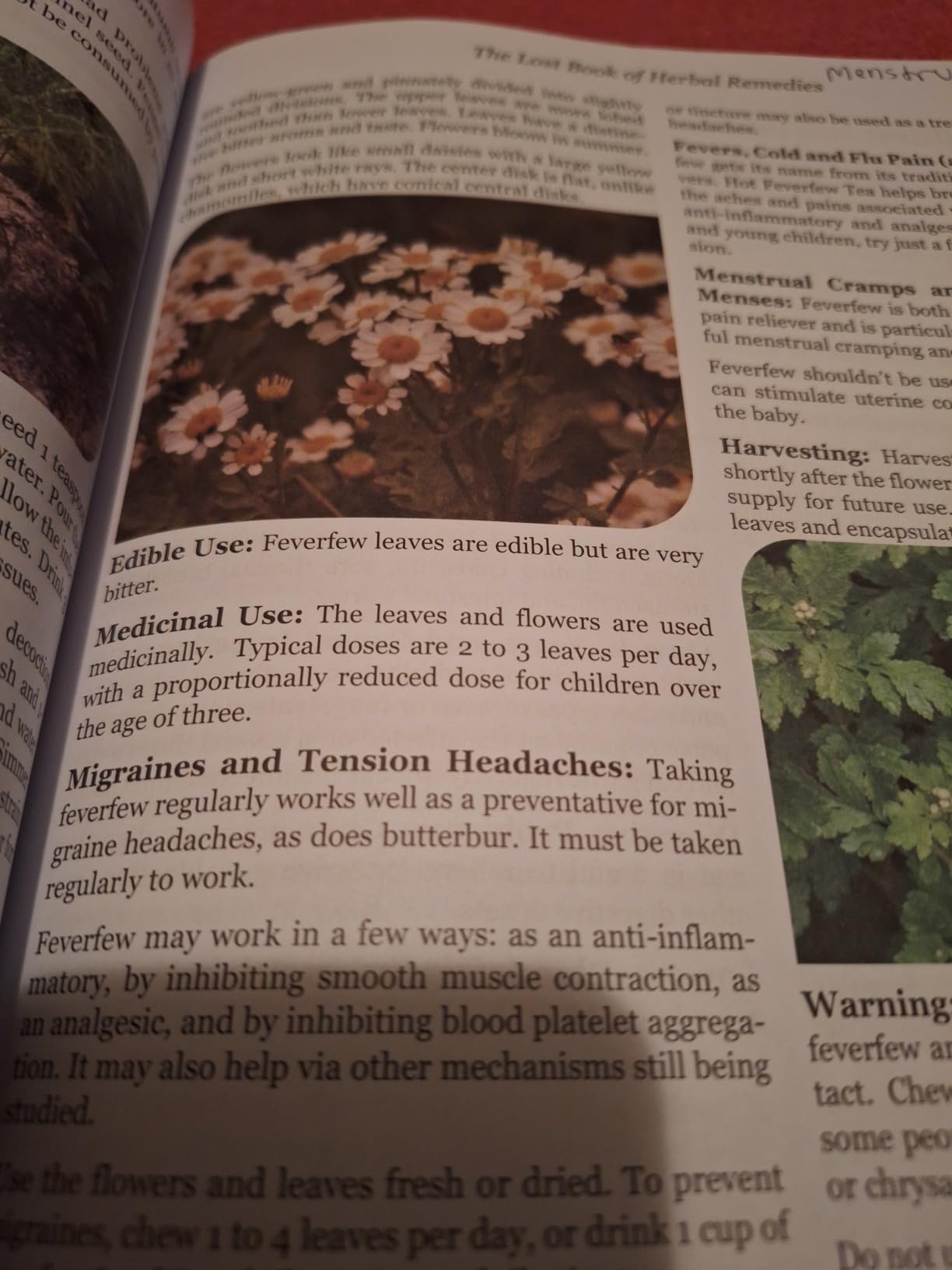
I love this book! It's clearly structured, with detailed descriptions of the herbs, their medicinal uses, and vibrant photographs for easy identification. Its practical approach not only describes the herbs but also provides instructions on how to prepare remedies at home.
-

★★★★★
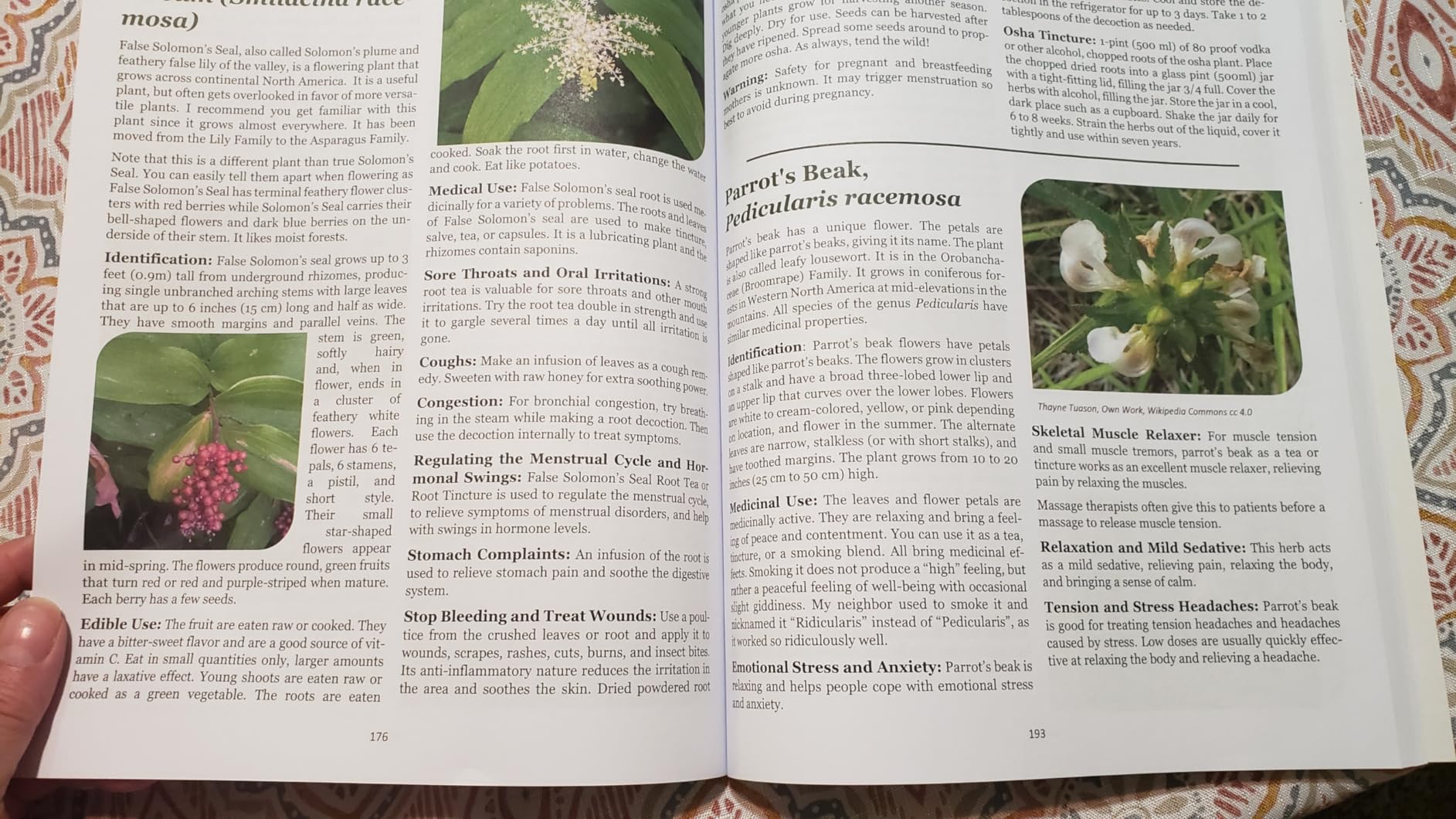
One of the best books I've ever read and purchased. It actually saved my friend a surgery and an expensive ambulance ride. The best medicinal knowledge in one place.
-

★★★★★
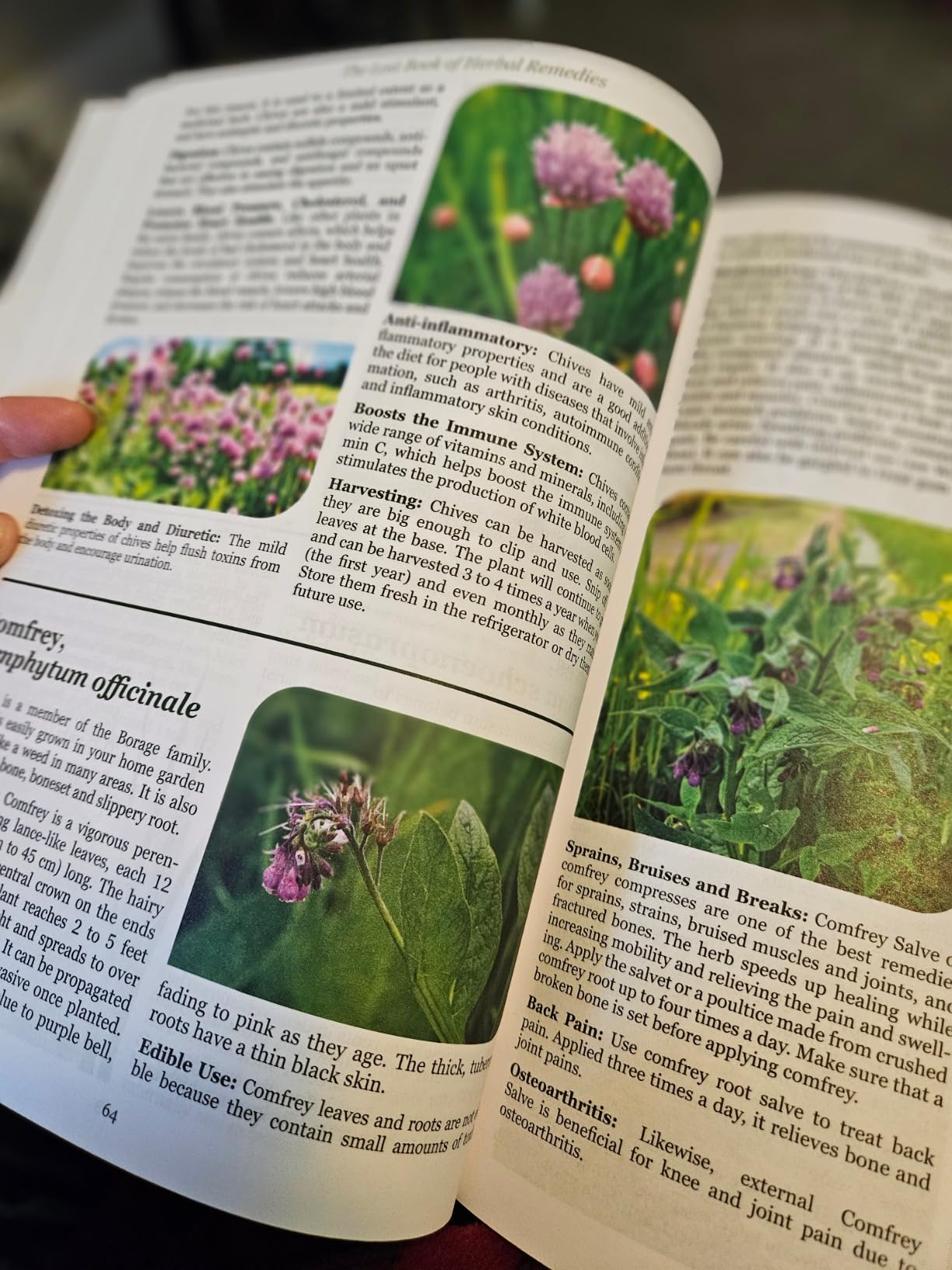
Tons of information in this book. A perfect gift for a friend or family member. Lots of valuable content here.
-

★★★★★
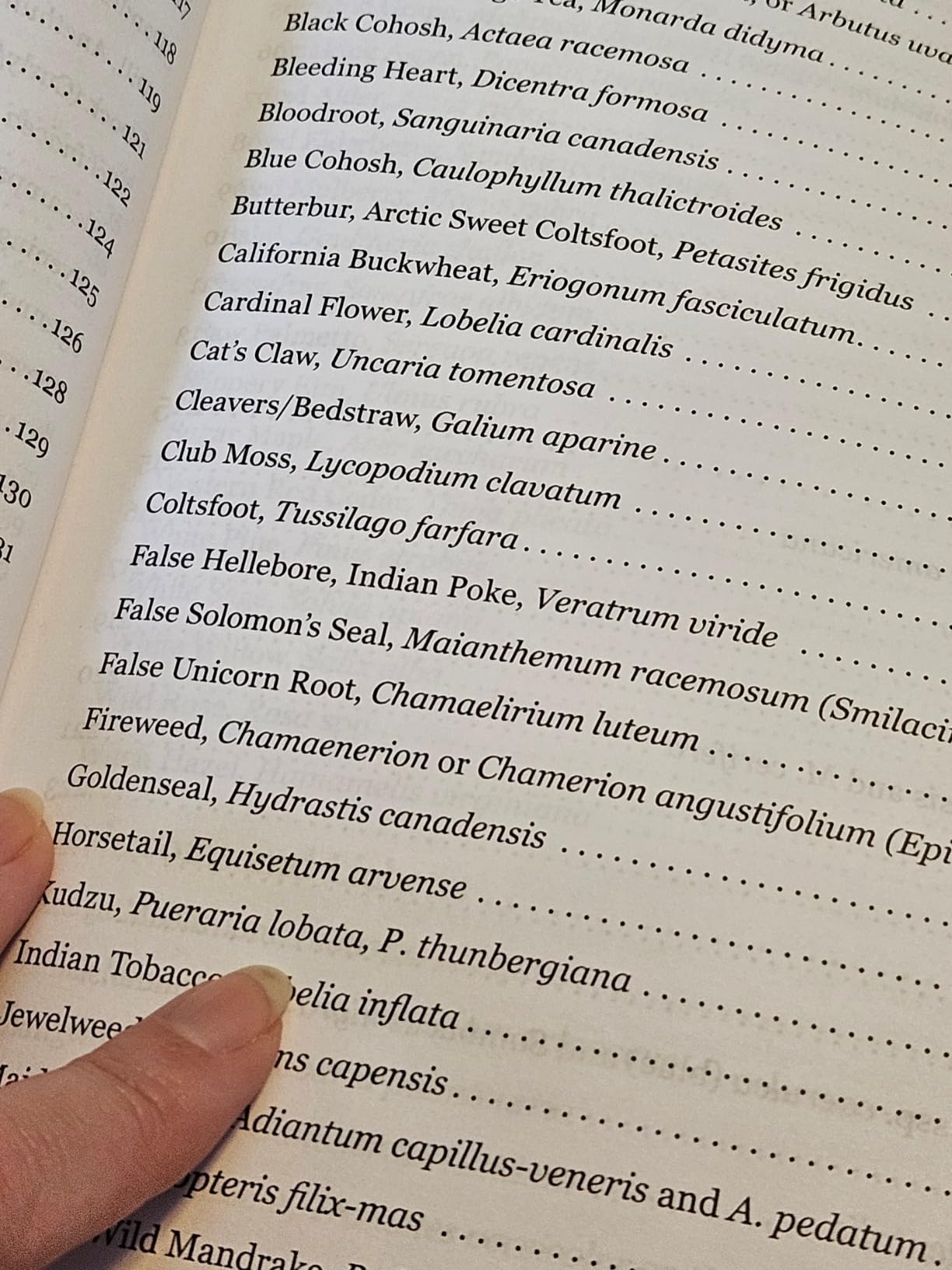
What an extraordinary book! There's literally an herb, plant, mineral, or natural resource for everything. Update: glucose levels down, liver improving, inflammation very well controlled. Buy it, read it, use it!
-

★★★★★
Having this book on hand will help you on your journey through life. Alkalinity is the best way to live. Read this book and see for yourself.
-

★★★★★
Since I got this book, I've foraged 4 different types of herbs: mugwort, purple dead nettle, and cleavers. This is amazing! Thanks to the author.


On page 145
The "Painkiller Plant" That Grows in Most Gardens

For example, this is one of the plants you'll find in The Lost Book of Herbal Remedies. If it looks familiar, it's because it grows in most gardens, and most people pull it out as a weed. But what they probably don't know is that this plant contains a milky substance called lactucarium that acts directly on the central nervous system (CNS) to reduce the sensation of pain.
Inside the book, you'll find complete instructions on how to turn it into an extract you can use whenever you need it.
On page 119
The Most Sought-After Plant in a Crisis

One of the first things you'll discover is the common roadside plant that became expensive and highly sought after in Venezuela after their pharmacies ran out of medicine.
On page 150
Use This Immediately When You Have an Open Wound

On day 42 of the Alone program, I accidentally hurt my knuckle while cleaning a fish. The wound most likely would have gotten infected.
Luckily, I found Yarrow, which quickly stopped my bleeding. And most importantly, I found Usnea, which is a plant used for infections. You've probably seen it growing on tree trunks.
I treated the wound for 3 days with these plants and now you can barely see the scar.
On page 54
What Happens When You Pour Salt on a Cabbage?

On page 54, you'll discover something interesting that happens when you pour salt on a cabbage.
The end result you'll get through fermentation — called Sauerkraut — is packed with probiotics that protect your digestive tract, regulate bowel movements, and in many cases prevent both diarrhea and constipation.

I'll also show you 3 powerful remedies that are easy to prepare and that you should always have on hand.
Together, these remedies cover a wide range of needs.

Money may not grow on trees, but many of the things people pay money for do.
This remedy, which you'll find on page 215, was widely used by our ancestors when they had a sore throat.

You'll also discover the plant that boosts your energy and relieves foot pain when you use it inside your shoes.

I bet you didn't know you can turn bay leaves into a sedative by burning them. When you're stressed, burn a few dried bay leaves in a safe container.
Close the room to trap the smoke and let it spread. Breathe deeply to feel the calming effects instantly.

Another plant you'll find in the book is Boneset, which our ancestors used to reduce fever.
In fact, the name "boneset" comes from the use of this plant in treating breakbone fever.
You can find the recipe on page 50 of the book.

You get a natural remedy very similar to aspirin but one that doesn't cause gastric damage.
You can use the dried leaves to make a tea that helps relieve pain and fever. You can also chew the tip of a willow branch for the same effect.
White willow contains salicylic acid, a substance very similar to aspirin with similar properties.

You've probably seen this plant growing in sidewalk cracks, but probably not in a salad. It may look like arugula, but it's not. In fact, it's much more nutritious and also contains an essential trace mineral called Chromium that helps the pancreas.
Chromium is extremely scarce today due to food processing methods. Perhaps this is one of the reasons why so many ailments are so common today, but 100 years ago they rarely affected our ancestors.


If you're like most modern people, you probably have no idea how many powerful natural remedies may be hidden in your own garden. Usnea grows in long beard-like strands, hence its nickname "Old Man's Beard." It's the only lichen with a white core.
Unlike lab-made antibiotics like Doxycycline, Usnea doesn't disrupt your gut flora or make other antibiotics less effective over time.
So why not turn Usnea into an antibiotic tincture for common infections, while saving prescription antibiotics for when you truly need them?

Take a black radish and cut off the top to make a lid. With a spoon, hollow out the inside leaving about 1 inch on each side. Pour honey until the hollow is full and add a little grated horseradish.
Put the lid back on and let it sit overnight. Take a few spoonfuls of syrup per day until your cough subsides. It works!


You've probably seen this plant too. It grows in most forest clearings.
You'll discover how to use it to fight not only common colds but also lung problems.
Inhaling the steam from leaves boiled in water will loosen the airways and improve breathing, releasing mucus in the chest and sinuses.

You'll also discover which garden plant can turn any regular coffee or tea into a powerful blend that relieves pain and inflammation.

You get Banana Tea! Drink it when you're having trouble falling asleep.
Bananas are very rich in Tryptophan, which helps create two sleep hormones: melatonin and serotonin. Getting good sleep is about your health, your figure, the speed at which you age, and your concentration.


If you've ever walked along forest edges and gotten spiny seeds stuck to your clothes, you've just passed by this plant.
The best way to deal with it? Eat it. Native communities in Mexico used it as a sweetener 200 years ago, and it tastes better than most vegetables.
What people don't know is that it has a strong diuretic effect. If you've felt tingling and numbness in a limb, try this plant that people have used for centuries as a blood vessel cleanser.

Another plant you'll find in the book is called Woolly Lamb's Ear. Also known as the "backyard bandage," this plant has been used for centuries on battlefields to stop bleeding.
It has recently been discovered to be rich in Vitamin K, the vitamin that clots blood.
It's the same vitamin powder we gave our soldiers during the Mexican Revolution to pour on their wounds.


You probably already know that cattails are edible. But few people know the most important thing: the gel-like substance that grows between their leaves. It's great for serious skin infections and one of the best ointments for toenail and foot fungus.
This gel has a numbing effect on moist tissues and has been used as an anesthetic. When a terrible toothache struck, our ancestors would rub it around their gums. The pain would diminish within minutes.

If you ever get a throat infection, this tasty medicinal syrup will be very useful. Onions contain a natural antibiotic called Allicin.
Take an onion and cut it in half. Hollow out one of the halves and fill it with sugar. The sugar will melt in about 2 hours, extracting the natural soothing liquid from inside. Take this syrup every day until your throat gets better.

I call it that because you can use the sap as a remedy, its flowers as a sleep aid, its leaves as food, and the inner bark as cordage.
You don't need much more than this to survive.

Gather a handful of rosemary sprigs and cover them with water in a pot. Let everything simmer on low heat for three hours. Let it cool and strain the rosemary-infused water.
Pour it into a spray bottle and apply it to your scalp after washing. Massage gently. No need to rinse. Use it twice a week until you see visible results.

You'll also find a very special plant that can reduce stress levels and, by doing so, helps people sleep well at night.
Deep sleep is the only time your body has to eliminate damaged cells or repair them. That's why people who sleep well tend to live longer.

You'll also discover the plants I use in my Herbal Blend for Leaky Gut, which forms a protective layer around the perforations in the gut through which particles can enter the bloodstream.
What you really don't want is for anything that causes inflammation to enter your bloodstream, as this leads to an inflammatory response that puts the immune system in an unhealthy state of overactivation.

In the book you'll also find the home remedies our grandparents gave us to bring down a fever, soothe a sore throat, fight the flu, and much more. They used only common household items that you probably have in your pantry right now.
Like the spice you add to your meals that helps stop bleeding.
Or the substance our ancestors used to eliminate parasites from the digestive tract.
Or the common household "stain remover" that our grandparents used to fight most fungal and bacterial skin infections.
And all of that is just the tip of the iceberg of what you'll find in The Lost Book of Herbal Remedies. Here are some other things you'll discover in this massive 304+ page guide:
- Which Plants Will Disappear First in a Crisis
- The Anti-Inflammatory Herb
- Why You Should Put Salt on a Lemon
- Grandma's Cough Syrup
- Baking Soda and Yellow Teeth
- What Really Happens When You Boil Guava Leaves (And Why Every Mexican Grandma Swore by It)
- Don't Throw Away Your Eggshells, Do This Instead!
- Medicinal Plants That Doctors Beg People to Forage
- How to Grow Your Own Ibuprofen
- Which Plant You Should Add to Your Coffee to Reduce Inflammation
- The Plant That Helps Every Part of Your Body at Once
- The Wildflower That Combat Medics Used During the Mexican Revolution
- Put This Spice in Your Shoes to Cure Toenail Fungus
- Wildflowers That Boost Happy Hormones
- What Happens if You Mix Lemon with Bay Leaves
- The Herbal Body Map: Which Plant You Need to Heal Each Organ
- What Happens if You Smoke Mullein Leaves
- The Root That Midwives Use When Fear, Stress, and Tension Won't Let You Sleep
- The "Anti-Anxiety Elixir"
- The Killer Tree You Should Never Have in Your Garden
- Homemade Juice for Blood Pressure
- What Happens When You Burn Rue in Your House
- Homemade Natural Overnight Hair Growth Spray
- A Homemade Fat-Burning Plant Tea
- The Ancient Mexican "Memory Herb" That Scientists Are Now Studying
- And much more!
But There's MORE You're Going to Get:
If you get the book today, you'll also take advantage of an exclusive gift.

You'll get the '25 sq ft Medicinal Garden in Your Backyard'.
Wouldn't it be great to have the plants you need growing nearby? In this bonus, you'll discover how to plant, grow, and harvest them the right way.

The second exclusive gift is called: Everyday Disaster Medicine Guide, a manual for when help isn't on the way.
There may be times when doctors and hospitals aren't available. In this bonus, you'll find the 20 most common infections and diseases that spread in most disasters. You'll learn to recognize and treat them naturally using plants from the book.

I printed the book in a limited edition, with color photographs, containing over 800 plants and remedies made from them. Now you can find everything you need to know about medicinal plants in a single book.
The book will also become your field guide. With it, you can identify the beneficial plants growing around your house or when you go out foraging.
Just scroll down and click the button below to get your own copy.


I love this book! It's clearly structured, with detailed descriptions of the herbs, their medicinal uses, and vibrant photographs for easy identification. Its practical approach not only describes the herbs but also provides instructions on how to prepare remedies at home.
One of the best books I've ever read and purchased. It actually saved my friend a surgery and an expensive ambulance ride. The best medicinal knowledge in one place.
Tons of information in this book. A perfect gift for a friend or family member. Lots of valuable content here.
What an extraordinary book! There's literally an herb, plant, mineral, or natural resource for everything. Update: glucose levels down, liver improving, inflammation very well controlled. Buy it, read it, use it!
Having this book on hand will help you on your journey through life. Alkalinity is the best way to live. Read this book and see for yourself.
Since I got this book, I've foraged 4 different types of herbs: mugwort, purple dead nettle, and cleavers. This is amazing! Thanks to the author.

If at any time during those 60 days you're not COMPLETELY satisfied with the book, send me an email and I'll refund every penny.
It's that simple!
No questions asked.
That's my personal guarantee.